Category: Health Issues

  • Denial or acceptance of one’s illness : Discovery phase

    Denial or acceptance of one’s illness : Discovery phase

    I didn’t realize the importance of accepting one’s illness until the day my father was diagnosed with a chronic desease The mere discovery of this desease was a difficult ordeal for all of us. It came out of nowhere, and we didn’t really understand the causes or how to cope.


    Denial of the illness

    We found ourselves in a situation where the severity of the desease  may have initially triggered denial of the illness. This widespread phenomenon occurs when the patient tries to psychologically protect themselves against a perceived danger or threat. Not accepting the presence of the bad condition is sometimes normal during the unexpected discovery of certain physical problems, especially chronic or serious ones, because the patient experiences significant psychological discomfort.

    The patient is often convinced that they cannot fall ill with a chronic desease. This may stem from the fact that they are confident in their health, exercise regularly, for example, and take good care of their diet. Or it may come from a purely spiritual perspective, where the patient is certain that they cannot be punished because they have always been good to people and have never harmed anyone.

    The causes of denial are certainly diverse, but they are very common during this phase of desease discovery.


    Acceptance of the illness

    The denial phase, however, must not last. Initially, while it is considered normal, its persistence constitutes a real problem that threatens the quality of life of patients.

    It is well known in psychology that any problem can be resolved if its presence is first accepted. In other words, if we don’t recognize the presence of a concern or problem, it is certainly impossible to resolve it or even to think of a solution.

    In the case of deseases, it is essentially the fear of the unknown, of suffering, or of death that causes denial in the discovery phase. Subsequently, the person will have to accept the presence of their disorder and try to adapt as best they can to their new state of health.

    This acceptance can be difficult, and this is where loved ones must intervene to help the patient understand their condition, accept it, and adapt as best they can to avoid emotional shocks or health crises.

    The help of accompanying doctors and nurses is also important.
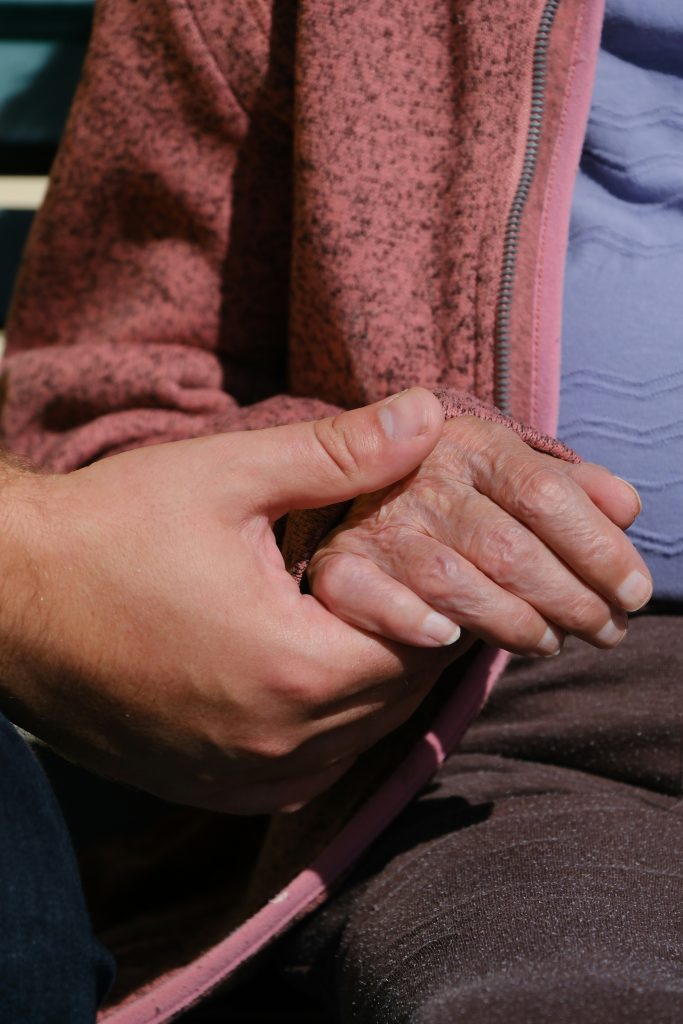
     

    Illness suport


    Practical tips for accepting your illness

    There are several ways to help patients accept their condition by reducing the intensity of negative emotions and reactions:

    – Explain to the patient this is very common and that they are not the only ones to suffer from them. Knowing that anyone could get sick is somewhat reassuring.

    – Learn about the sickness in question and try to help the patient understand the symptoms, causes, and treatment options in the gentlest way possible to avoid the patient being afraid of suffering.

    – Speak with the doctor in charge and explain to the patient that his condition can be effectively managed by following certain instructions and taking their medication on time, for example.

    – Try to maintain the routine and rituals of normal life for the patient so that they do not feel neglected or excluded.

    – Maintain good communication with the patient and ask them to share all their feelings so that they do not feel alone.


    – If the patient believes in spirituality, it will be necessary to know how to speak their language to explain to them that falling ill is a kind of test and that they will be rewarded for their patience.

     

    doctor illness support

    If all these methods do not work, it is better to seek help from psychologists, since continued denial can significantly disrupt the process of managing the illness.

  • The Beginning of Depression : The Depression Coming!

    The Beginning of Depression : The Depression Coming!

    This past year, I experienced a very stressful situation after my father was diagnosed with advanced cancer. Everything in my life was turned upside down, and I hadn’t even had the opportunity to sort out my emotions. My mental state was in total chaos, overwhelmed by the series of unexpected events related to my father’s illness.


    What is depression ?

    Depression is a mental health disorder where people experience prolonged feelings of sadness and a loss of interest in things they once enjoyed. It is associated with various symptoms that affect thoughts, emotions, and behavior. People of all ages can be affected by depression, including children. Its severity can vary widely — it can be temporary or, in some cases, last for a long time.


    Physical early symptoms of depression:

    One day, I realized I had physical symptoms that were hard to ignore:

    • More pronounced hair loss
    • Large pimples appearing all over my body
    • Sleep disorders
    • Weight or appetite changes
    • Digestive issues
    • A gradually weakening immune system — I couldn’t even recover quickly from a simple cold

    That’s when I decided to face the facts. Seeing these symptoms multiply day after day made me even more anxious. After some research and conversations with friends, it became clear: these were signs of the onset of depression.


    Psychological early signs of depression :

    Depression can look very different from person to person. Some symptoms are clearly recognizable, while others are subtle and easy to miss. Recognizing both the obvious and hidden signs is key to early intervention and effective support.

    Most symptoms affect the way you feel and think:

    • Social isolation — no interest in meeting friends or new people
    • Low self-confidence
    • Persistent feelings of sadness or hopelessness
    • Difficulty concentrating or memory issues
    • An increasingly pessimistic outlook on life
    • Neglecting self-care, including basic hygiene
    • Turning to substances or addictive behaviors
    • Reckless or escapist behavior such as gambling, risky choices, or excessive spending
    • Disinterest in daily activities, work, or relationships
    • Procrastination and a general lack of motivation

    Depression signs

    Self-managing the signs of depression

    I realized it was time to act. I had to stop feeding this depression before it took over completely. I decided to start with lifestyle adjustments and see if they could make a difference:

    • Maintaining my workout routine
    • Following a healthy diet and a consistent sleep schedule
    • Managing my breathing during stressful moments to avoid destructive reactions
    • Making time for activities I enjoy, to relieve stress and reconnect with myself
    • Spending time with friends and loved ones — sharing, laughing, and simply being present
    • Taking care of my body as a foundation for mental well-being
    • Expressing my feelings creatively through painting, writing, singing, or dancing to release negative energy

    Despression support


    Professional depression management :

    Therapy

    If personal efforts are not enough, it becomes necessary to seek help from a professional. Therapeutic approaches help people understand and express their feelings, behaviors, and thoughts. Each individual may benefit from a different approach depending on their specific situation.

    Medication

    In some cases, medication can be very effective in managing certain emotions and reducing symptoms, making it easier to overcome depression gradually.

    Brain stimulation treatments

    When other treatments have not been effective, professionals may turn to brain stimulation methods. These techniques are typically used in more severe cases and have shown promising results for people who have not responded to other forms of treatment.


    Final thoughts

    Depression does not always look the same, and it does not always announce itself loudly. Sometimes it creeps in quietly through physical symptoms, small behavioral changes, or a growing sense of emptiness. The most important thing is to pay attention to yourself, listen to your body and mind, and never hesitate to reach out for help — whether from a loved one or a professional.

    You are not alone in this.


    The content of this article is based on personal experience and research. It does not replace professional medical or psychological advice. If you are experiencing symptoms of depression, please consult a qualified healthcare professional.