
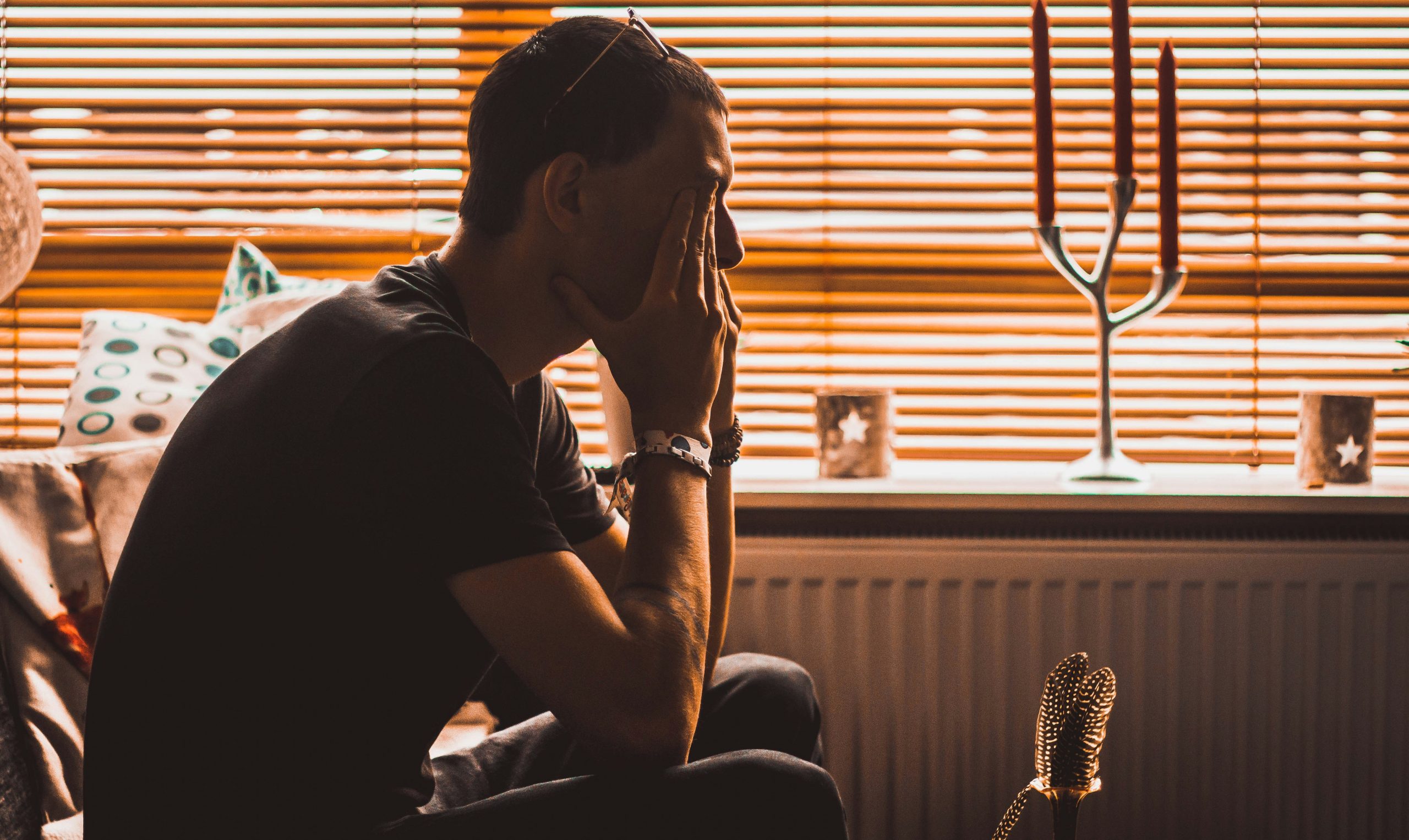
This past year, I experienced a very stressful situation after my father was diagnosed with advanced cancer. Everything in my life was turned upside down, and I hadn’t even had the opportunity to sort out my emotions. My mental state was in total chaos, overwhelmed by the series of unexpected events related to my father’s illness.
What is depression ?
Depression is a mental health disorder where people experience prolonged feelings of sadness and a loss of interest in things they once enjoyed. It is associated with various symptoms that affect thoughts, emotions, and behavior. People of all ages can be affected by depression, including children. Its severity can vary widely — it can be temporary or, in some cases, last for a long time.
Physical early symptoms of depression:
One day, I realized I had physical symptoms that were hard to ignore:
- More pronounced hair loss
- Large pimples appearing all over my body
- Sleep disorders
- Weight or appetite changes
- Digestive issues
- A gradually weakening immune system — I couldn’t even recover quickly from a simple cold
That’s when I decided to face the facts. Seeing these symptoms multiply day after day made me even more anxious. After some research and conversations with friends, it became clear: these were signs of the onset of depression.
Psychological early signs of depression :
Depression can look very different from person to person. Some symptoms are clearly recognizable, while others are subtle and easy to miss. Recognizing both the obvious and hidden signs is key to early intervention and effective support.
Most symptoms affect the way you feel and think:
- Social isolation — no interest in meeting friends or new people
- Low self-confidence
- Persistent feelings of sadness or hopelessness
- Difficulty concentrating or memory issues
- An increasingly pessimistic outlook on life
- Neglecting self-care, including basic hygiene
- Turning to substances or addictive behaviors
- Reckless or escapist behavior such as gambling, risky choices, or excessive spending
- Disinterest in daily activities, work, or relationships
- Procrastination and a general lack of motivation

Self-managing the signs of depression
I realized it was time to act. I had to stop feeding this depression before it took over completely. I decided to start with lifestyle adjustments and see if they could make a difference:
- Maintaining my workout routine
- Following a healthy diet and a consistent sleep schedule
- Managing my breathing during stressful moments to avoid destructive reactions
- Making time for activities I enjoy, to relieve stress and reconnect with myself
- Spending time with friends and loved ones — sharing, laughing, and simply being present
- Taking care of my body as a foundation for mental well-being
- Expressing my feelings creatively through painting, writing, singing, or dancing to release negative energy

Professional depression management :
Therapy
If personal efforts are not enough, it becomes necessary to seek help from a professional. Therapeutic approaches help people understand and express their feelings, behaviors, and thoughts. Each individual may benefit from a different approach depending on their specific situation.
Medication
In some cases, medication can be very effective in managing certain emotions and reducing symptoms, making it easier to overcome depression gradually.
Brain stimulation treatments
When other treatments have not been effective, professionals may turn to brain stimulation methods. These techniques are typically used in more severe cases and have shown promising results for people who have not responded to other forms of treatment.
Final thoughts
Depression does not always look the same, and it does not always announce itself loudly. Sometimes it creeps in quietly through physical symptoms, small behavioral changes, or a growing sense of emptiness. The most important thing is to pay attention to yourself, listen to your body and mind, and never hesitate to reach out for help — whether from a loved one or a professional.
You are not alone in this.
The content of this article is based on personal experience and research. It does not replace professional medical or psychological advice. If you are experiencing symptoms of depression, please consult a qualified healthcare professional.





Leave a Reply